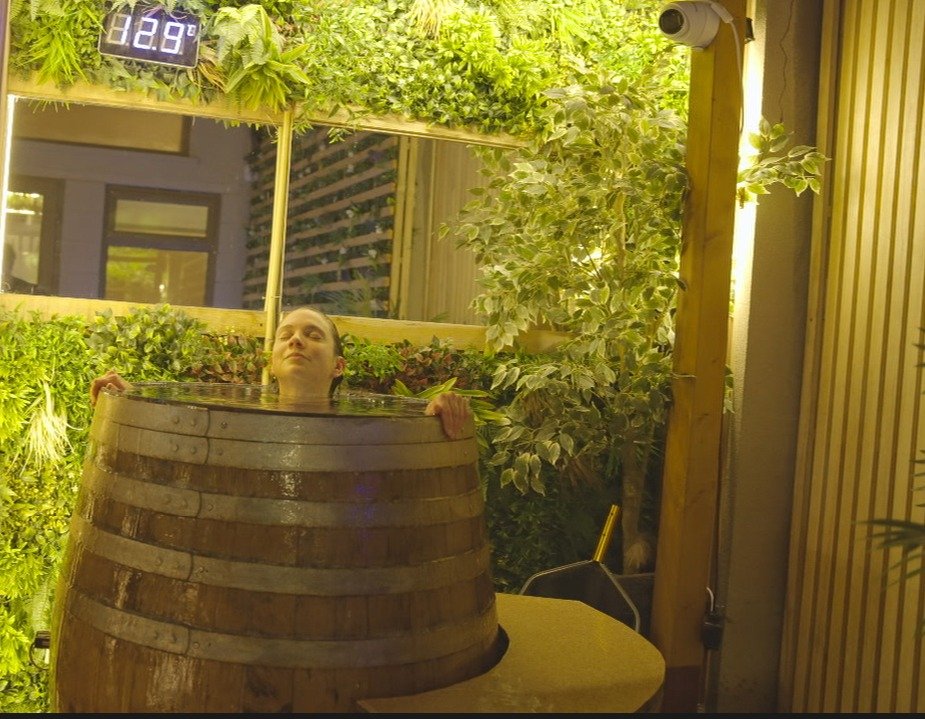
The Benefits of Cold Water & Ice Baths
Cold water immersion has been used for centuries — from ancient Roman baths to Scandinavian ice swimming traditions. Today, neuroscience and sports science have caught up with what cultures around the world have known intuitively: getting cold is profoundly good for you.
What Happens to Your Body in Cold Water?
The moment you step into cold water at 2–5°C, your body triggers a survival cascade. Your heart rate spikes, your breathing quickens, and a flood of catecholamines — adrenaline and noradrenaline — surge through your system. This is not a sign that something is wrong. This is your body waking up.
Within moments, you reach what practitioners call the "parasympathetic window" — your breathing slows, your heart rate stabilises, and a deep calm begins to settle in. This is where the magic happens.
Proven Benefits of Cold Water Immersion
- Dopamine surge: Cold exposure causes a sustained 250–300% increase in dopamine levels — the neurotransmitter responsible for motivation, focus, and a sense of wellbeing. Unlike food or other stimulants, this elevation lasts for hours.
- Noradrenaline release: Cold immersion dramatically increases noradrenaline — associated with alertness, attention, and mood. This is why a post-plunge session leaves you feeling sharper and more capable.
- Reduced muscle inflammation: Ice baths are widely used by elite athletes for a reason. Cold causes vasoconstriction — blood vessels narrow, flushing lactic acid and metabolic waste from the muscles.
- Improved circulation: The cycle of constriction (cold) and dilation (warmth) acts as a cardiovascular workout, improving blood vessel elasticity and circulation over time.
- Brown fat activation: Cold exposure activates brown adipose tissue (brown fat) — a metabolically active tissue that burns energy to generate heat, improving metabolic health.
- Mental resilience: Deliberately choosing discomfort trains the prefrontal cortex to override the brain's threat response. Over time, this translates into better stress tolerance in everyday life.
- Better sleep: Cold therapy in the afternoon or evening has been linked to improved sleep quality by lowering core body temperature prior to bed.
How Long Should You Stay In?
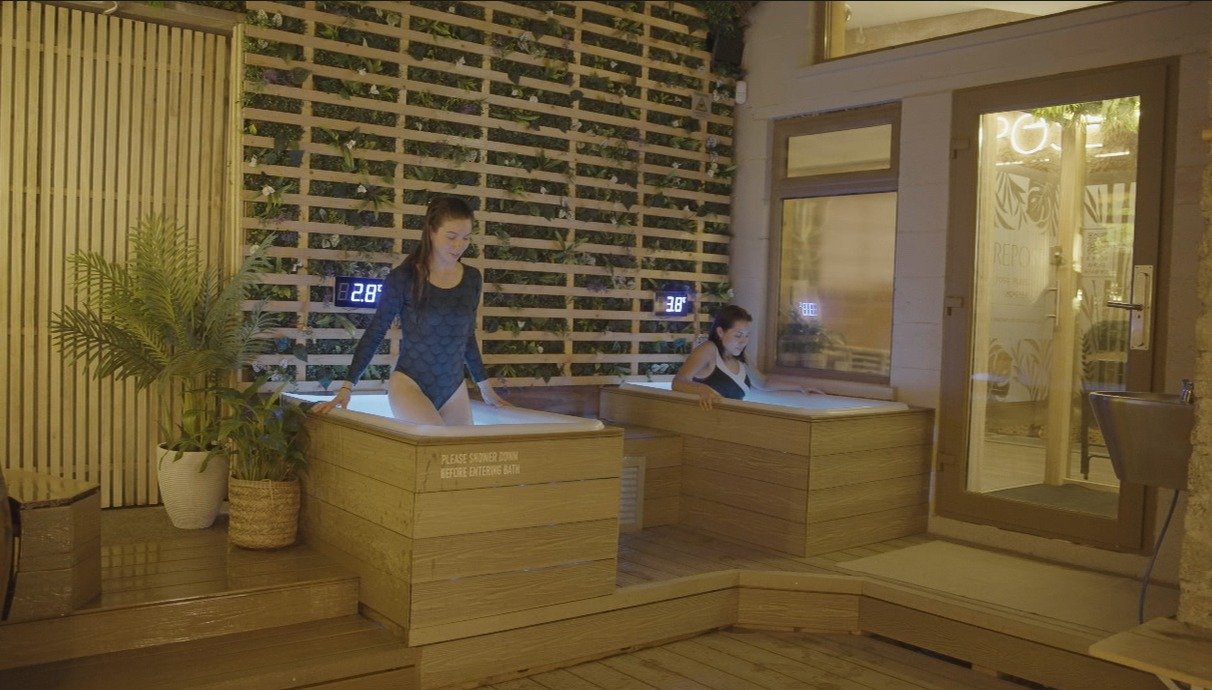
Research by Dr. Andrew Huberman of Stanford suggests that 11 minutes of cold exposure per week — spread across 2–4 sessions — is sufficient to achieve significant physiological and neurological benefits. A typical single session at Plunge runs 2–5 minutes in the ice bath, depending on your experience level.
Beginners should aim for 1–2 minutes initially, focusing on controlled breathing rather than duration. As your tolerance builds over weeks, extend your time gradually.
Tips for Your First Ice Bath
- Breathe slowly and deliberately before you enter
- Enter feet first, then lower the body gradually
- Focus on your exhale — long, slow out-breaths calm the nervous system
- Don't fight the cold — accept the sensation and let it pass
- Start with 60–90 seconds and build from there
- Always pair with a warm sauna session for the full contrast therapy experience
Also worth reading
→ Sauna + Ice Bath Together: The Ultimate Recovery Protocol → Wim Hof Breathing: A Step-by-Step GuideReady to experience it?
Book a session at Plunge Recovery and discover the transformative power of cold water immersion for yourself.
Book a Session